Sample lesson
Café Favourites: I Like…

Created with LingoChorus and reviewed for publication (2026-07-22). AI-assisted — in class, every pack is a teacher’s to review and edit first.
A real generated pack — print it, present it to a class, or make your own.
Objective
I can say which café foods I like using 'I like…'.
Structure of the day
I like [noun].
This frame lets young learners express simple preferences using a high-frequency verb and a concrete noun, matching how young learners talk about café food at A1.
- I like juice.
- I like cake.
- I like bread.
Vocabulary (6)
| Word | Meaning | Example |
|---|---|---|
| juice | a sweet drink from fruit | I like juice. |
| bread | soft food you eat with butter | I like bread. |
| apple | a round red or green fruit | I like apples. |
| egg | a small white food from a chicken | I like eggs. |
| soup | a warm food you eat with a spoon | I like soup. |
| cake | a sweet food for a party | I like cake. |
Flashcards — one style

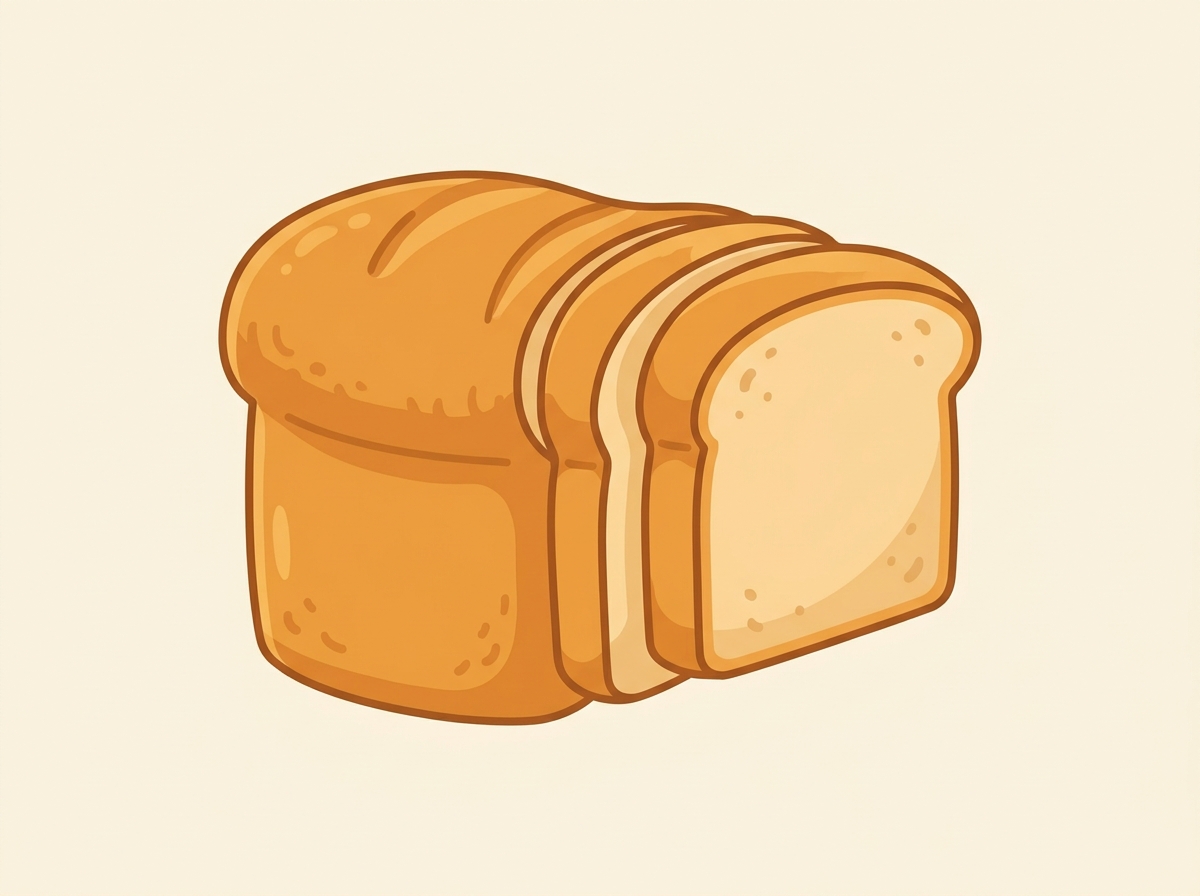
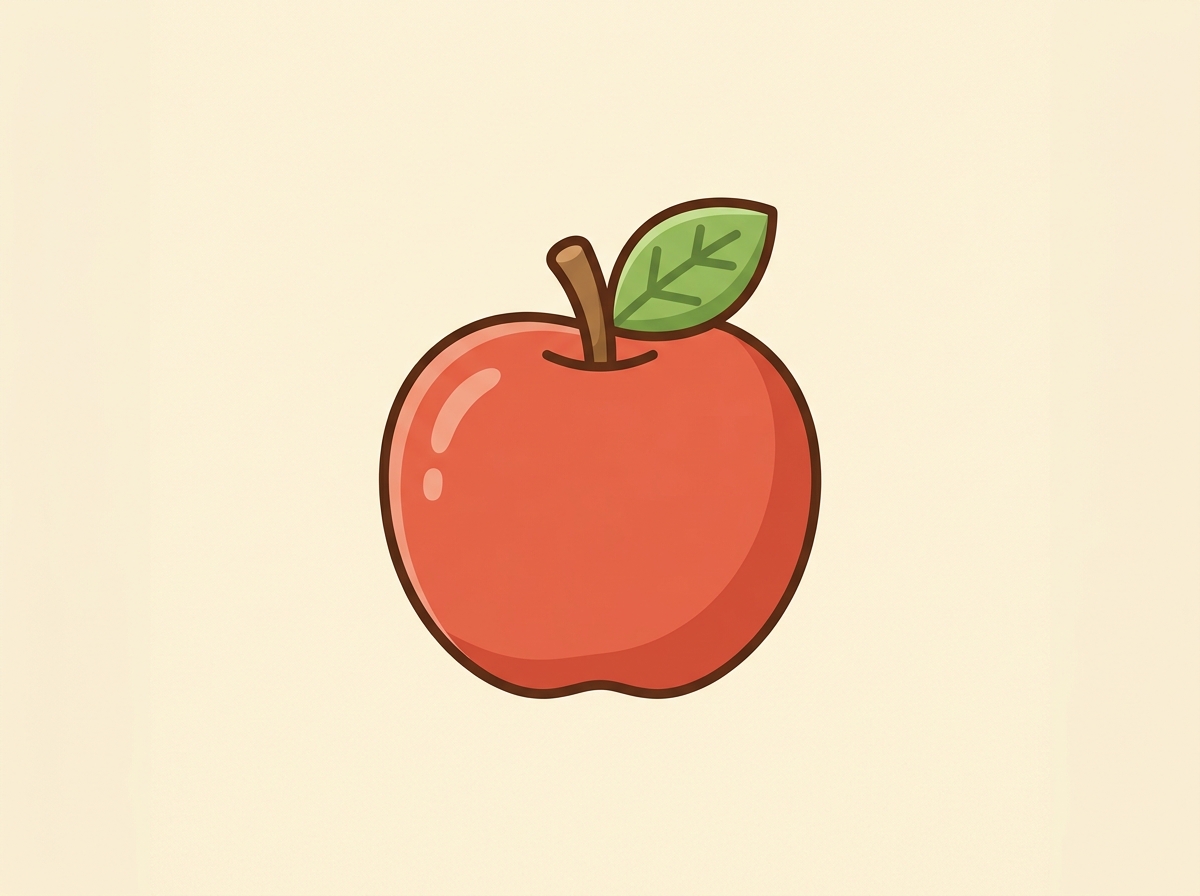

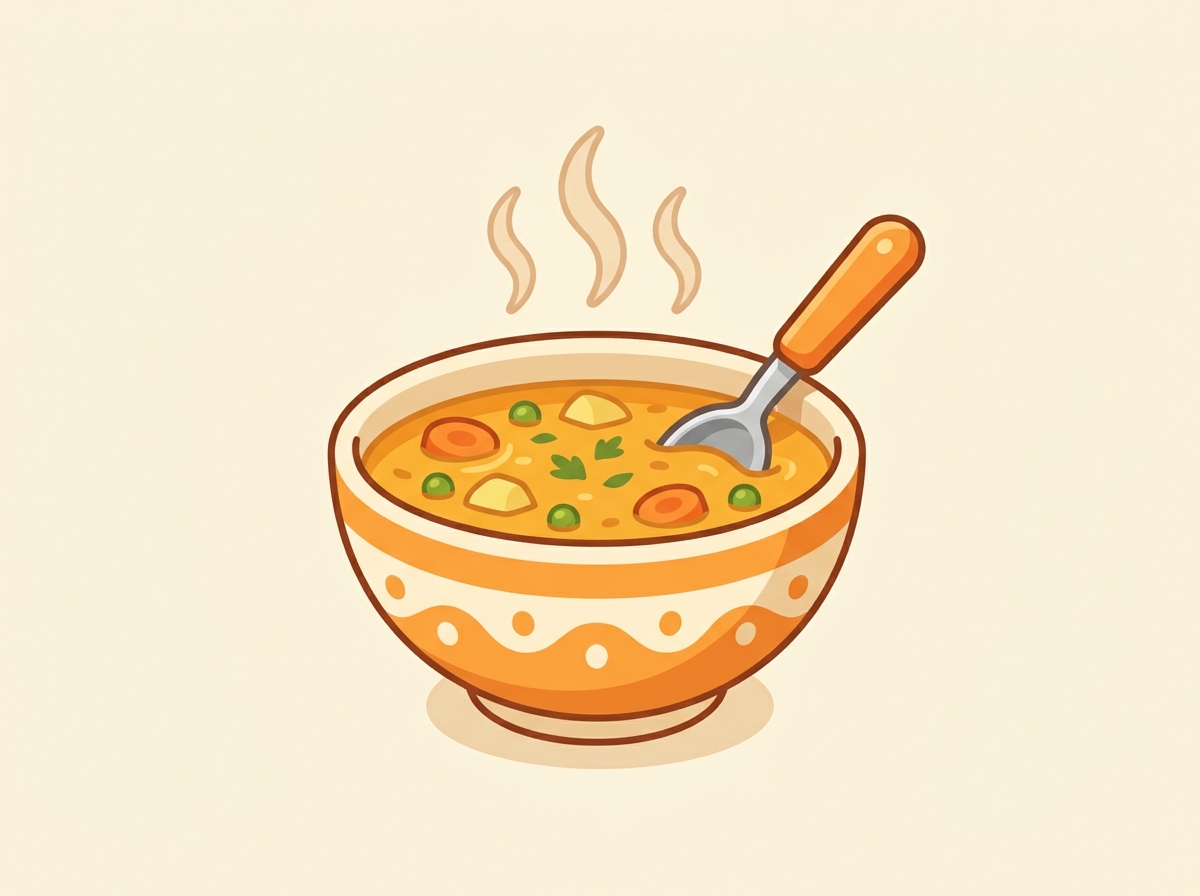

every pack draws its whole vocabulary set in one consistent style
The lesson flow
- 5′Warm-up — Teacher greets children and mimes eating and drinking. Children guess the food words they already know. Teacher claps a rhythm and children repeat 'yum yum yum!' together.
- 10′Presentation — Teacher holds up flashcards one by one for juice, bread, apple, cake, egg, and soup, saying 'It's a [noun]' and 'I like [noun]'. Children repeat each word and sentence three times, chorally and pointing to the picture.
- 10′Practice — Teacher pretends to be a café waiter and asks 'What do you like?'. Children stand, pick a flashcard, and answer 'I like [noun]' aloud. Teacher drills the frame with the whole class, then in pairs, walking around to help.
- 15′Song — Teacher plays the song 'At the Little Café' and models actions for each food word. Children sing along, doing a small clap on 'I like' and pointing to their tummy on the chorus. Repeat the song twice, second time with children singing alone.
- 5′Wrap-up — Teacher shows flashcards again fast and children shout 'I like [noun]!'. Teacher says goodbye and children wave, singing the chorus one last time softly.
The song — “At the Little Café”
bouncy pop chant · 110 BPM
Verse
Come with me to the café
Sit right down, hooray hooray
I like juice, yummy juice
I like bread, soft warm bread
Chorus
I like, I like, I like it here
At the café, food is near
I like, I like, I like to eat
Café food is such a treat
Verse
I have an egg, round and white
I have an apple, red and bright
I like soup, warm in my bowl
I like cake, sweet as gold
Chorus
I like, I like, I like it here
At the café, food is near
I like, I like, I like to eat
Café food is such a treat
Bridge
Juice and bread and apple too
Egg and soup and cake for you
Chorus
I like, I like, I like it here
Café food, hip hip hooray!
Teaching tip — Keep a steady clap on every 'I like' to help children feel the beat and lock in the grammar pattern.
Four-skills practice
Listen and Point
6 minGive each child a picture card sheet with juice, bread, apple, egg, soup, cake. Read the script slowly. Children point to the correct picture each time they hear it.
Hello! I'm at the café. I like juice. I like bread. I like an apple. I like an egg. I like soup. I like cake! I like cake and juice. Yum!
Answers: Children point to: juice, bread, apple, egg, soup, cake, cake, juice.
Café Chant: I Like...
7 minStand in a circle. Hold up a food card and say 'I like juice.' Children repeat. Then go round the circle: each child holds a card and says 'I like ___.' Pair work: partners ask 'Do you like cake?' and answer 'Yes, I like cake!' or 'I like soup.'
Teacher: I like juice. Class: I like juice! Child 1: I like bread. Child 2: I like apples. Child 3: I like eggs. Child 4: I like soup. Child 5: I like cake. Pair A: Do you like cake? Pair B: Yes, I like cake!
Read About Milo's Café
6 minGive children the short text. They read it silently, then read aloud together. Ask: 'What does Milo like?' Children answer using the text.
My name is Milo. I like the little café. I like juice. I like bread. I like an apple. I like soup. I don't like cake. I like the café. Yum!
Answers: Milo likes juice, bread, apple, and soup. He doesn't like cake.
Fill in the Food
8 minGive children the gap-fill sheet. They write one vocabulary word in each blank. Check answers together as a class, reading sentences aloud.
1. I like ___. 2. I like ___. 3. I like ___. 4. I like ___. 5. I like ___. 6. I like ___.
Answers: Any of: juice, bread, apple, egg, soup, cake (each word used at least once across the six sentences).
The quiz
1. Which word is a drink?
- juice
- bread
- egg
2. You eat this. It is round and red or green.
- apple
- soup
- bread
3. What do you make sandwiches with?
- bread
- cake
- juice
4. This food comes from a chicken.
- egg
- cake
- soup
5. This food is hot and you eat it with a spoon.
- soup
- apple
- juice
6. You eat this on your birthday.
- cake
- bread
- egg
7. Choose the correct sentence.
- I like apples.
- I likes apples.
- I liking apples.
8. How do you say you love juice?
- I like juice.
- I like a juice.
- I likes juice.
Close the loop
The quiz isn’t a grade — it tells you what to bring back. If the class misses a word here — say “juice” —your next LingoChorus lesson recycles it into the warm-up, the song and a quick check, so it sticks. That’s the Loop: plan → teach → assess → re-plan.
- One brief
- Lesson plan
- Flashcards
- Song
- Four skills
- Quiz
- Next lesson ↺
every part teaches the same target — and what the class misses returns next time
Want a lesson like this for your class?
Set your own age, level, topic and length — LingoChorus composes the whole pack.
Compose a lessonMore sample lessons
See all features or how it works.